• Space/Science
  • GeekSpeak
  • Mysteries of
    the Multiverse
  • Science Fiction
  • The Comestible Zone
  • Off-Topic
  • Community
  • Flame
  • CurrentEvents

Recent posts

Starfall BuckGalaxy June 2, 2026 6:30 pm (Space/Science)

It keeps getting worse... BuckGalaxy June 2, 2026 3:11 pm (Flame)

Starship Troopers on the Moon BuckGalaxy June 2, 2026 2:51 pm (Space/Science)

Musk wants self-sustaining space colonies BuckGalaxy May 31, 2026 6:11 pm (Space/Science)

Federal judge reopens Trump’s IRS case and demands to know if her court was defrauded. BuckGalaxy May 29, 2026 10:38 pm (Flame)

Ukraine winning the war BuckGalaxy May 29, 2026 11:14 am (CurrentEvents)

New Glenn explodes in big setback for Blue Origin BuckGalaxy May 28, 2026 7:54 pm (Space/Science)

Firefly set to visit Gruithuisen Domes BuckGalaxy May 28, 2026 4:32 pm (Space/Science)

Trump threatens another ally BuckGalaxy May 27, 2026 5:56 pm (CurrentEvents)

NASA Scientists Discover Material That Could Protect Jet Engines And Moon Equipment BuckGalaxy May 25, 2026 12:36 pm (Space/Science)

SEASON 5 - FOR ALL MANKIND BuckGalaxy May 24, 2026 11:28 pm (Science Fiction)

Trump's impulsive, ill-advised war has screwed the world BuckGalaxy May 19, 2026 1:46 pm (CurrentEvents)

Home » Space/Science

Ancient Red "Pheasant Tail" Sign in Sky Solved . . . April 3, 2020 2:29 pm DanS

1,400-Year-Old Mystery of Strange ‘Red Sign’ in Japan’s Sky Solved
It was likely an ethereal sky phenomenon.

By Meghan Bartels

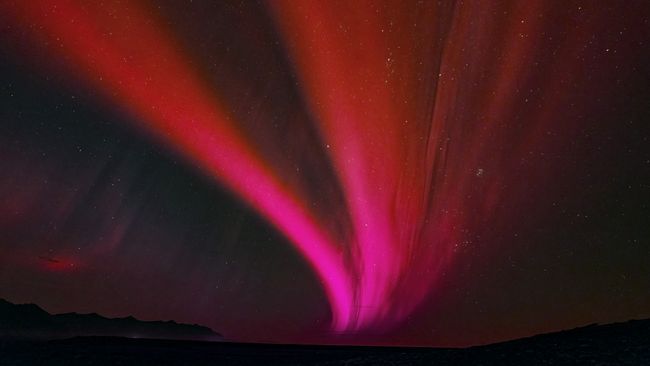
A scarlet fan spread across the skies over Japan 1,400 years ago, and it’s been puzzling astronomers ever since.

According to historical records, on Dec. 30, 620, a “red sign” shaped like “a pheasant tail” appeared in the sky. At the time, the sign was considered a bad omen. Modern scientists looking back at the report have wondered whether the spectacle may have been caused by an aurora or a comet, but neither of those explanations quite made sense.


What might the “red sign” have looked like?
(Image: © Illustration: Space.com; Aurora: Nora Carol/Getty)

Ryuho Kataoka, who studies space weather at the National Institute of Polar Research in Japan, and his colleagues decided they wanted to investigate what could have caused the scarlet phenomenon, according to a statement.
    Search

    The Control Panel

    • Log in
    • Register